

Home repairs can feel like a daunting game of whack-a-mole. Just when you think you’ve fixed one issue, another pops up to challenge your sanity. But fear not! This home repair guide is here to transform you from a repair rookie into a DIY dynamo. With a dash of humor and a sprinkle of expertise, tackling those pesky home problems will become a breeze.
Overview of Home Repair Guide
Home repair encompasses a variety of tasks necessary for maintaining a dwelling’s safety and functionality. Essential jobs include plumbing fixes, electrical repairs, and drywall maintenance. These tasks, while often daunting, become manageable with the right tools and knowledge.
Understanding common issues helps homeowners tackle repairs effectively. For instance, leaks in pipes often signal underlying plumbing problems. Identifying the source can prevent further damage and costly repairs. Similarly, an electrical short circuit in a wall outlet can pose serious risks. Addressing these issues promptly ensures a safe living environment.
This guide offers step-by-step instructions and tips for various repairs. Readers will find information on using tools, selecting materials, and troubleshooting common problems. Engaging visuals accompany the instructions to facilitate understanding.
Learning about home maintenance proves beneficial long-term. Homeowners gain confidence as they handle smaller repairs, progressively taking on more complex tasks. This gradual approach fosters a sense of accomplishment.
Regular upkeep prevents minor issues from escalating into substantial problems. Establishing a maintenance schedule improves the overall condition of the home. Time management and organization support successful repairs.
Resourceful homeowners embrace DIY solutions. Accessing online tutorials and local hardware store advice further enriches the repair process. Providing appropriate support systems enhances the overall experience.
Essential Tools for Home Repairs
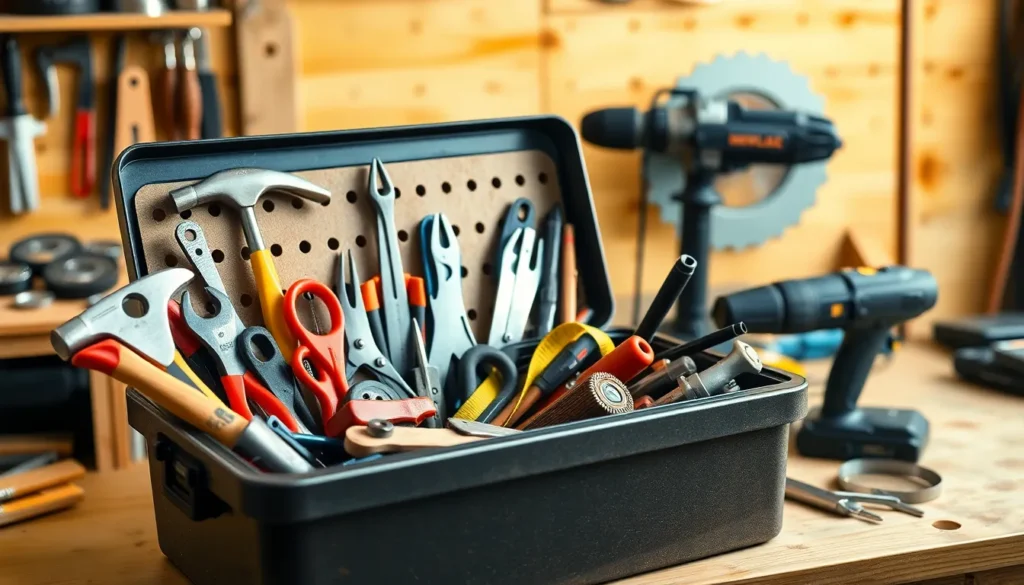
Home repairs require a solid set of tools for efficiency and effectiveness. Understanding the categories of tools can simplify the repair process, making it easier for anyone to tackle issues confidently.
Hand Tools
Hand tools form the backbone of home repair tasks. A sturdy hammer drives nails and helps demolish stubborn materials. Screwdrivers, available in various sizes, secure or remove screws. Pliers grip and twist cables or wires effectively. A tape measure provides precise measurements for planning projects. Wrenches, both adjustable and fixed, assist with plumbing and mechanical tasks. A utility knife makes cutting materials neat and easy. Keeping these essential hand tools in a toolbox ensures readiness for any repair.
Power Tools
Power tools enhance efficiency and speed in home repairs. A drill simplifies creating holes for various fixtures, such as shelves or hooks. Circular saws cut wood and other materials quickly and accurately. A sander smooths surfaces for a polished finish. Nail guns save time when securing materials and provide consistent results. Additionally, a heat gun can remove paint or soften adhesives effectively. Equipped with these power tools, homeowners can tackle extensive repair projects more efficiently.
Common Home Repair Projects
Homeowners often encounter various repair projects that require attention. Understanding these common tasks helps maintain a safe and functional living environment.
Plumbing Repairs
Leaky faucets and clogged drains frequently plague homeowners. Addressing these issues promptly prevents water damage and saves on utility bills. Fixing a leaky faucet commonly involves replacing washers and O-rings, while a clogged drain might require using a plunger or a plumber’s snake. Regularly checking for signs of leaking pipes can avoid larger problems down the line. Familiarity with plumbing basics, like shutting off valves, makes repairs easier and more manageable.
Electrical Repairs
Many homes encounter issues like flickering lights or faulty outlets. Homeowners often address these concerns by checking circuit breakers first. Replacing a light switch or outlet typically involves turning off the power, removing the old fixture, and installing a new one in its place. Familiarity with basic electrical tools, like voltage testers and wire strippers, facilitates these tasks. Emphasizing safety is crucial, as improper handling can lead to accidents.
Drywall Repair
Damaged drywall commonly occurs from accidents or moisture exposure. Fixing small holes or dents can often be done with joint compound and a putty knife. Larger holes may require patches, which involve cutting a piece of drywall and securing it properly. Once repairs are complete, sanding and painting restore the wall’s original appearance. Keeping a small repair kit on hand enables homeowners to tackle these issues promptly and effectively.
Maintenance Tips for Homeowners
Home maintenance requires regular attention to keep a dwelling in top shape. Following these maintenance tips helps homeowners ensure safety and functionality throughout the year.
Seasonal Checklists
Seasonal checklists streamline home upkeep. Spring should focus on inspecting roofs for damage or leaks. In summer, clean gutters and downspouts to prevent water buildup. Fall emphasizes checking heating systems and sealing windows to reduce energy costs. Winter requires monitoring for ice dams and addressing drafts to maintain indoor warmth. Using these checklists ensures no critical tasks are overlooked, promoting a well-maintained home.
Preventative Maintenance
Preventative maintenance saves homeowners time and money in the long run. Schedule regular inspections for plumbing systems to catch leaks early. An annual electrical inspection identifies potential hazards that could lead to costly repairs. Additionally, changing air filters every three months improves HVAC efficiency and air quality. Taking proactive measures enhances safety, prevents emergencies, and keeps repair costs manageable. Regular attention to maintenance details ensures sustained comfort in any home.
Resources for Further Learning
Homeowners can benefit from a variety of resources for enhancing their repair knowledge and skills. Online platforms like YouTube feature instructional videos covering many home repair topics, making them an excellent starting point for beginners. Websites such as Home Repair Tutor offer step-by-step guides and practical advice for specific projects.
Books remain a valuable resource as well. Titles like “The Complete Manual of Home Repair” provide extensive information on various DIY tasks. Home improvement stores often carry helpful literature, catering to both novice and experienced DIYers.
Local workshops present hands-on learning opportunities. Many community colleges and hardware stores host classes on subjects, including plumbing, electrical work, and carpentry. Engaging with local experts allows for personalized guidance and real-time demonstrations.
Forums and online communities also contribute significantly to knowledge sharing. Platforms such as Reddit and DIY Network offer a space for homeowners to pose questions, share experiences, and receive advice from fellow DIY enthusiasts. Participating in these discussions can broaden understanding and provide solutions to unique repair challenges.
Mobile apps offer convenient and practical assistance. Applications like Fixer and Homezada allow users to assess home maintenance tasks while managing their timelines and budgets. These tools help track tasks and ensure that nothing important gets overlooked.
Utilizing these resources can empower homeowners, offering them the confidence and knowledge necessary to tackle repairs effectively. Regularly engaging with varied learning formats encourages continuous growth in home maintenance skills.
Embracing home repair tasks can transform how homeowners interact with their living spaces. With the right knowledge and tools at their disposal they can tackle repairs confidently and efficiently. Regular maintenance not only enhances safety but also preserves the home’s value over time.
By utilizing resources and following seasonal checklists homeowners can prevent minor issues from escalating into costly repairs. The journey from novice to skilled DIYer may seem daunting but with practice and persistence it becomes an empowering experience.
As they dive into the world of home repairs they’ll discover that each project adds to their skill set and confidence. This guide serves as a stepping stone toward a more proactive and fulfilling approach to home maintenance.


